5 Signs You're Overpaying Rent in the Netherlands
The Dutch rental market is tight, fast-moving, and — especially for expats — easy to overpay in. Many newcomers sign a lease within days of arriving, without the local knowledge to know whether the price is reasonable. Here are five clear warning signs that you might be paying more than you should, and what you can do about each one.
1. You were never shown a WWS points breakdown
Since January 2025, landlords are legally required to provide the official WWS (Woningwaarderingsstelsel) points calculation at the start of any new tenancy. This document determines which rental segment your home falls into and, for social and mid-range housing, the maximum rent your landlord is allowed to charge.
If you signed a contract and were never given this breakdown, that's a red flag. Ask for it directly — you're entitled to it. If your landlord is reluctant to provide one, it's often because the numbers don't support the rent you're paying.
What to do: Request the points calculation in writing. If your landlord won't provide it, you can involve the Huurcommissie (Rent Tribunal), which has the power to compel disclosure.
2. Your rent is labelled "expat-friendly" and priced well above local listings
Listings marketed specifically at expats — English-language descriptions, "international tenants welcome," fully furnished — routinely cost 20–30% more than a comparable Dutch-market listing for the same type of property. That premium isn't always about better quality; it's often simply about who the landlord assumes is looking.
What to do: Compare the listing against similar Dutch-language listings in the same area (Pararius and Funda both list Dutch-market rentals). If the gap is large and unexplained by furnishings or size, you have room to negotiate — or reason to keep looking.
3. Your home has fewer than 187 WWS points but sits in the "free sector" price range
Any home scoring 186 points or below is legally part of the regulated sector — either social housing (up to 143 points) or the mid-range segment (144–186 points) — and has a maximum legal rent tied directly to its point score. If your landlord is charging free-sector prices for a home that scores in this range, the rent is very likely illegal, and you can challenge it.
What to do: Use an official points calculator (or a rent estimate tool that factors in size, energy label, and amenities) to check where your home actually falls. If you're over the legal maximum, you have grounds to file a complaint.
4. Your energy label is D or worse, but you're paying a top-tier rent
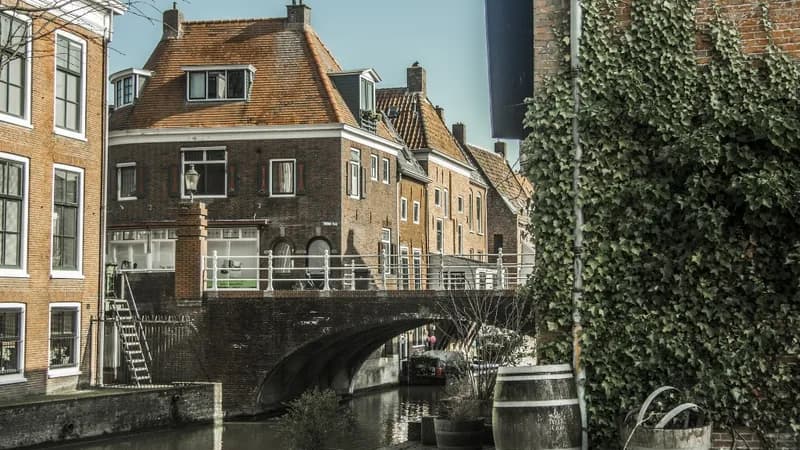
Energy label carries real weight in the current point system — a home with label A can earn over 30 points from energy performance alone, while labels E, F, and G actually subtract points. A poorly insulated, older building charging premium rent despite a weak energy label is a common way landlords quietly overcharge, especially in older canal-side buildings that trade on charm rather than energy efficiency.
What to do: Ask for the property's official energy label (it must be disclosed) and factor it into what you consider a fair price. A weak label should mean a lower rent, not a higher one.
5. You never got a rent increase notice in the proper form, but your rent went up anyway
Dutch law caps annual rent increases depending on segment, and any increase must be communicated through a specific, legally valid process. Increases that are announced verbally, applied without notice, or that exceed the legal cap for your segment (which changes each year) are not automatically enforceable — courts have voided increases over technicalities as minor as being sent one day late or missing required information about how to object.
What to do: Check the increase notice against the current year's legal maximum for your segment. If it's higher, or if the notice is incomplete, you can object in writing and, if necessary, escalate to the Huurcommissie.
What to do if you recognise these signs
If one or more of these apply to you, the next step is to get an objective read on what your rent should be. Start by checking the WWS point score for your specific property, since that's the legal foundation for almost every rent dispute in the Netherlands.
Not sure if your rent adds up? Try Rentzilla's free rent estimate tool to see what a fair price looks like for your exact property before you decide whether to challenge it.